Sewing is more than just a creative hobby—it is a practical skill that allows you to customize clothes, repair garments, create beautiful designs, and even start your own tailoring business.
If you are new to sewing, you may feel overwhelmed by sewing machines, fabrics, threads, patterns, and different stitching techniques. But you don’t need to learn everything at once. By mastering a few essential sewing skills, you can build a strong foundation and gradually improve your confidence.
In this guide, Sew and Style shares 10 essential sewing skills every beginner should learn.
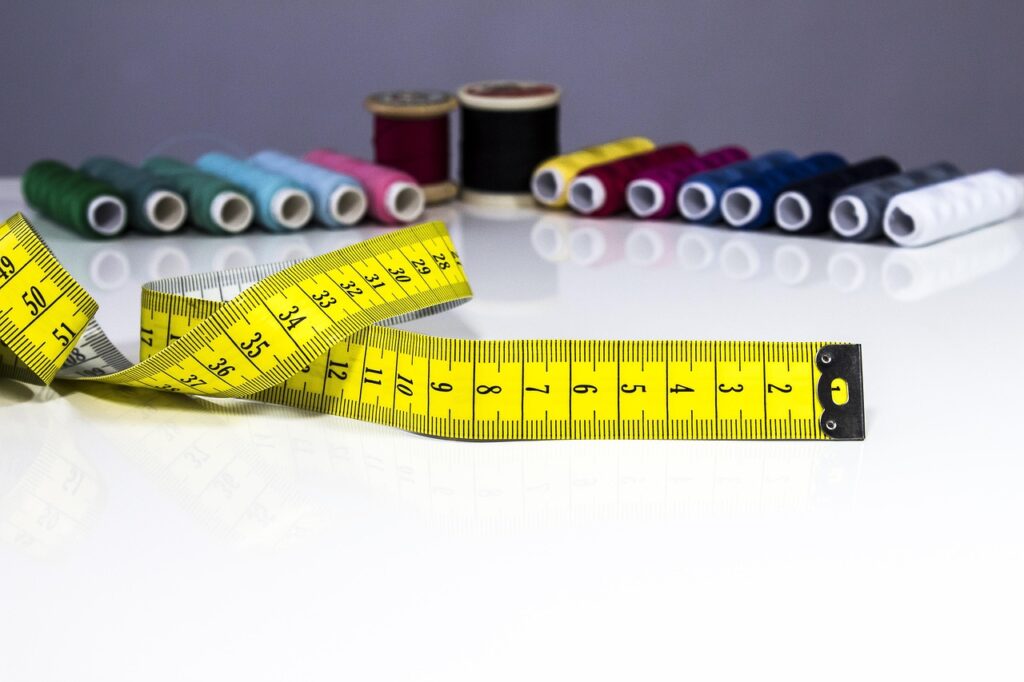
1. Taking Accurate Measurements
Taking correct body measurements is one of the most important sewing skills.
A small measurement mistake can affect the final fit of a garment. Learn how to accurately measure:
- Bust or chest
- Waist
- Hip
- Shoulder
- Armhole
- Sleeve length
- Garment length
- Neck circumference
Always use a flexible measuring tape and keep it comfortably against the body without pulling it too tightly.
Tip: Write down your measurements in a notebook so you can refer to them whenever you start a new project.
2. Understanding Different Fabrics
Every fabric behaves differently when you cut and stitch it.
Beginners should learn the basic characteristics of commonly used fabrics such as:
- Cotton
- Linen
- Silk
- Rayon
- Georgette
- Chiffon
- Denim
- Polyester
Some fabrics are easy to handle, while others can slip, stretch, or fray easily.
For your first projects, cotton is an excellent choice because it is generally easier to cut and sew.
3. Learning How to Thread a Sewing Machine
Before starting any project, you should understand how to correctly thread your sewing machine.
Learn the basic parts of your machine, including:
- Spool pin
- Thread guide
- Needle
- Presser foot
- Bobbin
- Bobbin case
- Stitch selector
- Tension control
Incorrect threading can result in loose stitches, thread breakage, or uneven sewing.
Practice threading the machine several times until you can do it comfortably.
4. Practicing Straight Stitching
The straight stitch is one of the most fundamental sewing techniques.
It is commonly used for:
- Seams
- Side stitching
- Joining fabric pieces
- Basic garment construction
- Repairs
Start by practicing on fabric scraps. Try to maintain a consistent seam allowance and keep the fabric moving smoothly.
Once you can sew straight lines confidently, you can move on to more complicated techniques.
5. Understanding Seam Allowance
Seam allowance is the extra fabric between the stitching line and the edge of the fabric.
Understanding seam allowance is essential because it affects the final size and fit of your garment.
Always check the pattern or garment instructions for the recommended seam allowance.
Beginner tip: Mark the seam allowance on your fabric before stitching if you are still learning.
6. Learning to Cut Fabric Correctly
Good cutting is the foundation of good sewing.
Before cutting:
- Wash and dry the fabric if necessary.
- Iron the fabric to remove wrinkles.
- Place the fabric on a flat surface.
- Check the grainline.
- Place your pattern correctly.
- Mark the cutting lines carefully.
- Cut slowly and accurately.
Use sharp fabric scissors to achieve clean edges.
Avoid using your fabric scissors for paper or other materials because this can make them dull.
7. Learning Basic Hand Stitches
Even if you mainly use a sewing machine, basic hand-stitching skills are very useful.
Some important hand stitches include:
- Running stitch
- Backstitch
- Slip stitch
- Basting stitch
- Blind stitch
Hand stitches are useful for small repairs, finishing details, temporary stitching, and delicate garments.
8. Learning How to Sew Seams and Hems
Seams join two or more pieces of fabric together, while hems finish the edges of garments.
Beginners should practice:
- Straight seams
- Curved seams
- Side seams
- Simple hems
- Double-fold hems
A neat seam and clean hem can make a handmade garment look much more professional.
9. Learning How to Use a Sewing Pattern
Sewing patterns provide instructions and measurements for creating garments.
Start with a simple pattern such as a basic skirt, cushion cover, or simple top.
Learn to identify:
- Cutting lines
- Grainlines
- Fold lines
- Notches
- Seam allowances
- Pattern markings
Read the instructions completely before cutting your fabric.
10. Learning Basic Garment Finishing
Finishing techniques give your garment a neat and professional appearance.
Important finishing skills include:
- Trimming excess threads
- Pressing seams
- Finishing raw edges
- Securing stitches
- Checking measurements
- Adding buttons or hooks
- Making clean hems
Remember that sewing is not finished when the last stitch is completed. Proper finishing makes a big difference in the final result.
Bonus: Learn How to Use an Iron Correctly
Pressing your fabric during sewing can dramatically improve the appearance of your garment.
Press seams after stitching and follow the recommended temperature for the fabric.
Sewing tip: Pressing is different from ironing. Instead of moving the iron quickly back and forth, gently press the fabric and seams into shape.
Common Sewing Mistakes Beginners Should Avoid
When learning to sew, mistakes are completely normal. However, you can avoid many common problems by remembering these tips:
- Don’t rush while cutting fabric.
- Always check your measurements twice.
- Use the correct needle for your fabric.
- Keep your sewing machine clean.
- Don’t pull the fabric while sewing.
- Practice on scrap fabric first.
- Use sharp scissors.
- Test your machine settings before starting.
- Always finish your seams neatly.
- Take your time and practice regularly.
How to Improve Your Sewing Skills
The best way to become a better sewer is to practice regularly.
Start with simple projects such as:
- Pillow covers
- Tote bags
- Simple skirts
- Basic tops
- Cushion covers
- Small fabric accessories
As your confidence improves, you can move on to more advanced projects such as blouses, dresses, salwar suits, children’s clothing, and customized outfits.
Final Thoughts
Learning to sew takes patience and practice, but you don’t need to become an expert overnight. Start with the basics, practice each skill regularly, and gradually challenge yourself with new projects.
The 10 skills covered in this guide—taking measurements, understanding fabrics, threading a machine, straight stitching, seam allowance, fabric cutting, hand stitching, seams and hems, sewing patterns, and garment finishing—will give you a strong foundation for your sewing journey.
At Sew and Style, we believe every beautiful outfit starts with the right skills, creativity, and attention to detail.
Start small, keep practicing, and let your creativity shine through every stitch!
Frequently Asked Questions
1. Is sewing difficult for beginners?
No. Sewing becomes easier with regular practice. Start with simple projects and gradually learn advanced techniques.
2. What should a beginner sew first?
Simple projects such as pillow covers, tote bags, or basic skirts are good starting points.
3. What sewing machine is best for beginners?
Choose a machine that is easy to operate and provides basic stitches such as straight and zigzag stitches.
4. How long does it take to learn basic sewing?
With regular practice, beginners can learn basic sewing techniques within a few weeks. Becoming highly skilled takes more time and experience.
5. What are the most important sewing skills to learn first?
Start with accurate measurements, fabric cutting, threading the machine, straight stitching, seam allowance, and basic finishing techniques.